- Prompt Enhancement:
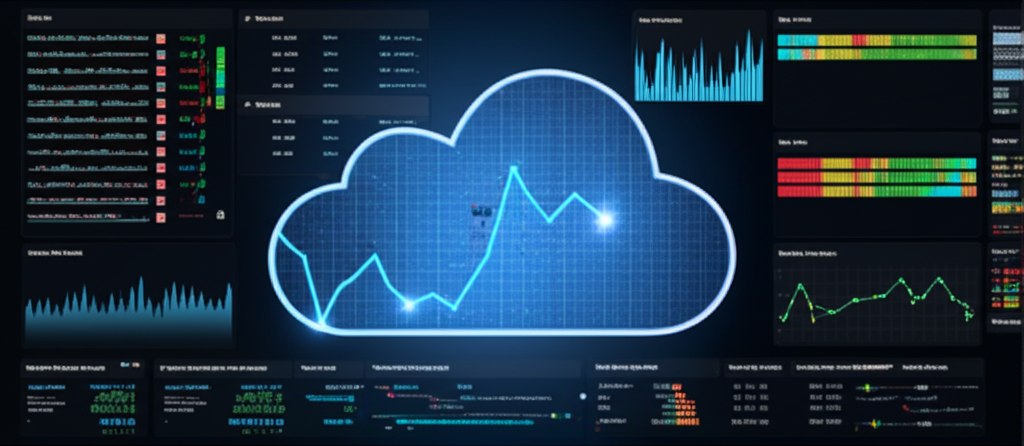
I will generate an image representing the concept of proactive downtime prevention in the cloud using AWS CloudWatch AIOps. The image will visually depict a futuristic dashboard displaying various cloud metrics and anomaly detection alerts, suggesting early warnings of potential system crashes. A stylized line graph will show a dip representing a potential issue being identified and corrected before a significant drop indicating a crash. The overall aesthetic will be clean, modern, and indicative of cloud computing and artificial intelligence. -
Image Generation:
Predicting the Crash: Using CloudWatch AIOps to Stop Downtime Before It Happens
Imagine your website suddenly goes down. Customers can’t access your services, your team scrambles to fix the problem, and the clock is ticking, costing you money and reputation. This is the nightmare scenario every business wants to avoid. But what if you could see the signs of trouble brewing before the actual crash?
That’s where AWS CloudWatch AIOps comes in. Think of it as a super-smart detective for your cloud environment, using artificial intelligence (AI) and machine learning (ML) to predict and prevent downtime before it even happens.
What is CloudWatch AIOps?
CloudWatch is AWS’s monitoring and observability service. It collects data about your AWS resources and applications in the form of logs, metrics, and events. AIOps, or Artificial Intelligence for IT Operations, takes this data to the next level. It uses AI and ML algorithms to:
- Identify unusual patterns: It learns what “normal” looks like for your applications and infrastructure. Then, it can spot subtle deviations that might indicate an upcoming issue, even if those deviations wouldn’t trigger traditional alarms.
- Predict potential problems: By analyzing historical data and real-time trends, AIOps can forecast potential failures or performance bottlenecks before they impact users.
- Reduce alert fatigue: Traditional monitoring can sometimes flood you with alerts, many of which are not critical. AIOps helps filter out the noise and focus on the truly important signals.
- Provide insights for faster troubleshooting: When an issue does occur, AIOps can help pinpoint the root cause more quickly by correlating different data points.
How Does CloudWatch AIOps Help Prevent Downtime?
Think of it like this: your car makes subtle noises before it breaks down. A keen driver might notice these early signs and get it checked before a major failure. CloudWatch AIOps acts as that keen observer for your cloud infrastructure.
Here are some ways it helps prevent downtime:
- Anomaly Detection: CloudWatch Anomaly Detection automatically learns the typical behavior of your metrics (like CPU utilization, network traffic, error rates). If a metric starts behaving unusually, even slightly, it can trigger an alert. This early warning allows you to investigate and take corrective action before the issue escalates into a service disruption. For example, if your database CPU utilization starts slowly creeping up outside its normal range, AIOps can alert you to a potential future performance bottleneck.
- Log Insights: CloudWatch Logs Insights allows you to interactively search and analyze your log data. AIOps enhances this by identifying patterns and anomalies within your logs that might indicate errors or potential issues that haven’t yet manifested as a service failure. Imagine being alerted to an increasing number of specific error messages in your application logs, suggesting an underlying problem that needs attention.
- Contributor Insights: This feature identifies the top contributors impacting your system performance, whether it’s a specific user, a process, or an API call. By understanding who or what is consuming the most resources or causing errors, you can proactively address the issue before it brings down your application. For example, if a sudden surge in traffic from a specific IP address is causing high latency, Contributor Insights can highlight this, allowing you to investigate and potentially block the malicious traffic.
Getting Started with CloudWatch AIOps:
The good news is that many of these AIOps features are integrated directly into CloudWatch and are relatively easy to get started with:
- Explore Anomaly Detection: In the CloudWatch console, navigate to “Alarms” and then “Anomaly Detection models.” You can create models for various metrics to learn their baseline behavior and generate alerts on deviations.
- Dive into Log Insights: Go to “Logs” and then “Log Insights.” Experiment with running queries on your logs and explore the built-in pattern detection features.
- Check out Contributor Insights: Navigate to “Metrics” and look for “Contributor Insights rules.” You can create rules to analyze various log groups and identify top contributors for specific criteria.
Benefits of Proactive Downtime Prevention with CloudWatch AIOps:
- Reduced downtime: The most obvious benefit is preventing service disruptions, ensuring your applications are always available to your users.
- Improved customer experience: Consistent availability leads to happier customers and increased trust.
- Cost savings: Preventing outages saves you money on potential revenue loss, SLA penalties, and the cost of emergency fixes.
- Increased team efficiency: By proactively addressing issues, your team spends less time firefighting and more time on innovation.
- Better resource utilization: Identifying performance bottlenecks early allows you to optimize your resources and avoid unnecessary over-provisioning.
In Conclusion:
In today’s fast-paced digital world, downtime is simply not an option. AWS CloudWatch AIOps provides powerful tools to move from reactive troubleshooting to proactive prevention. By leveraging the power of AI and ML, you can gain deeper insights into your cloud environment, predict potential problems before they impact your users, and ultimately keep your systems running smoothly. Start exploring these features today and take a significant step towards a more resilient and reliable cloud infrastructure.