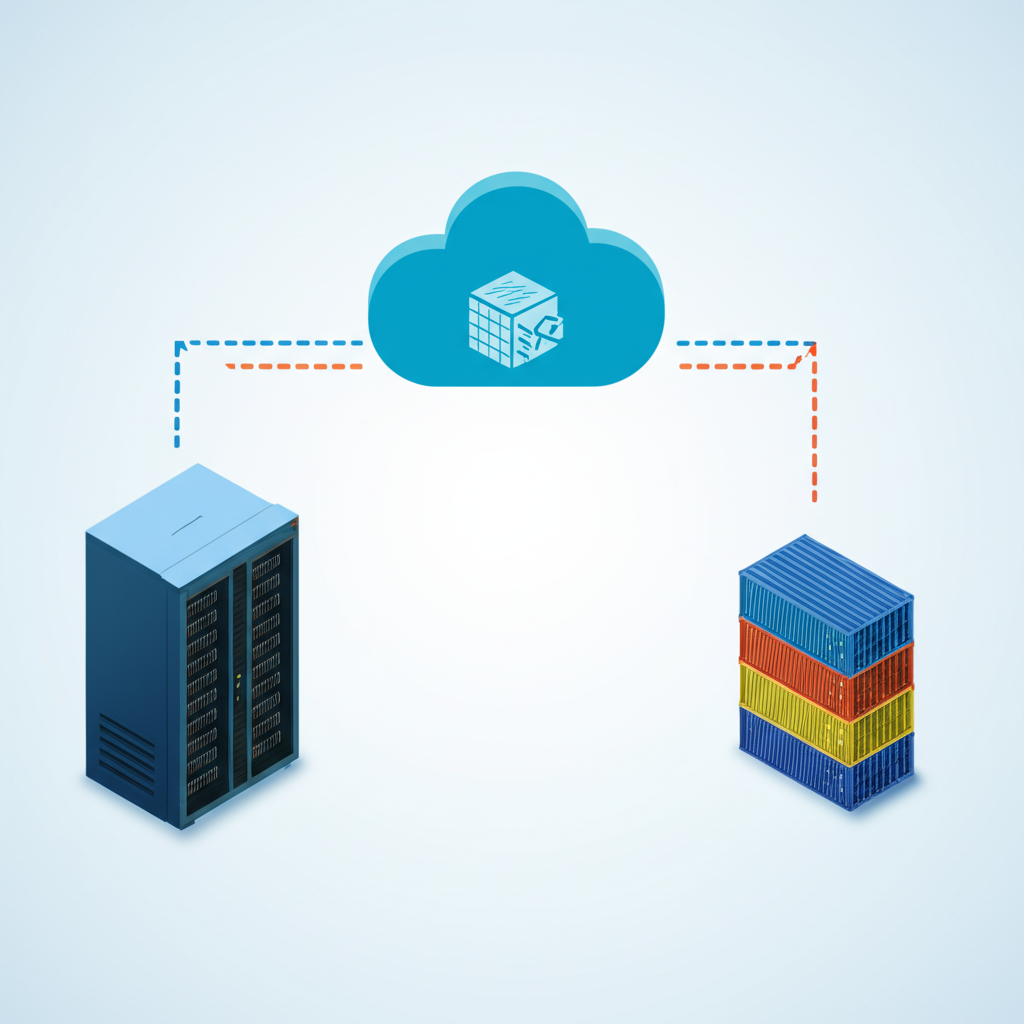
From Zero to Kubernetes: How to Modernize Your Monolith with Amazon EKS
Let’s face it: many of us are working with applications that have been around for a while – we call them monoliths. These big, single-unit applications can become difficult to manage, scale, and update over time. If you’re looking to break free from the limitations of a monolith and embrace the flexibility and scalability of modern application development, you’ve come to the right place.
This guide will walk you through the journey of modernizing your monolith using Amazon Elastic Kubernetes Service (EKS). We’ll keep the language simple and the steps practical, so even if you’re new to Kubernetes, you’ll be able to follow along.
Why Modernize and Why Kubernetes?
Before we dive into the “how,” let’s briefly touch upon the “why.” Modernizing your application can bring several benefits:
- Improved Scalability: Easily handle increased user traffic by scaling individual parts of your application.
- Increased Resilience: Isolate failures, so if one part of your application goes down, the rest can often continue to function.
- Faster Development Cycles: Smaller, independent teams can work on different parts of the application simultaneously.
- Technology Diversity: Adopt new technologies and languages for specific services without affecting the entire application.
Now, why Kubernetes? Kubernetes is a powerful open-source system for automating deployment, scaling, and management of containerized applications. Amazon EKS makes it easy to run Kubernetes on AWS without needing to install and operate your own Kubernetes control plane. This means you can focus on modernizing your application, while AWS takes care of the underlying infrastructure.
The Journey: From Monolith to Kubernetes on EKS
This isn’t an overnight process, but rather a step-by-step evolution. Here’s a general roadmap:
Step 1: Understanding Your Monolith
Before you start breaking things apart, you need a deep understanding of your current application.
- Identify Boundaries: Where do different functionalities reside within your monolith? Understanding these logical boundaries will help you decide how to break it down into smaller services.
- Analyze Dependencies: How do different parts of your application communicate with each other? Mapping these dependencies is crucial to avoid breaking things during the modernization process.
- Assess Technology Stack: What languages, frameworks, and databases are you currently using? This will influence your choices as you move to microservices.
Step 2: Containerization – The First Step Towards Microservices
Containers provide a consistent and portable way to package your application and its dependencies. Docker is the most popular containerization technology.
- Dockerize Components: Start by creating Dockerfiles for different parts of your monolith. Even if you’re not immediately breaking it into microservices, containerizing it offers benefits like consistent deployment environments.
- Docker Compose (Optional but Recommended): Use Docker Compose to define and manage multi-container Docker applications. This can help you run different parts of your (still monolithic) application in separate containers locally for development and testing.
Step 3: Setting Up Your Amazon EKS Cluster
Now it’s time to get your Kubernetes environment ready.
- AWS Account and Prerequisites: Ensure you have an AWS account and the necessary AWS CLI tools installed and configured.
- Creating an EKS Cluster: You can create an EKS cluster using the AWS Management Console, the AWS CLI, or tools like
eksctl. Choose the method that you are most comfortable with. Consider factors like the number of nodes, instance types, and networking configuration based on your needs. - Configuring
kubectl:kubectlis the command-line tool for interacting with your Kubernetes cluster. Configure it to communicate with your newly created EKS cluster.
Step 4: Breaking Down the Monolith (Strangler Fig Pattern)
A common strategy for modernizing a monolith is the “Strangler Fig Pattern.” This involves gradually replacing monolithic functionality with new microservices.
- Identify a Candidate Service: Start with a small, relatively independent part of your monolith. Good candidates are often features that experience high traffic or need to be scaled independently.
- Build a Microservice: Develop this functionality as a separate, containerized microservice.
- Deploy to EKS: Deploy your new microservice to your Amazon EKS cluster. You’ll need to define Kubernetes resources like Deployments, Services, and potentially Ingress or Load Balancers to make your service accessible.
- Route Traffic: Gradually redirect traffic from the monolithic application to the new microservice. This can be done using API gateways or other routing mechanisms.
- Repeat: Continue this process, breaking down more and more parts of your monolith into independent microservices over time.
Step 5: Managing Your EKS Cluster and Microservices
Once you have microservices running on EKS, you’ll need to manage them effectively.
- Scaling: Leverage Kubernetes’ Horizontal Pod Autoscaler (HPA) and Cluster Autoscaler to automatically adjust the number of microservice instances and worker nodes based on demand.
- Monitoring and Logging: Implement robust monitoring and logging solutions to track the health and performance of your cluster and individual microservices. AWS offers services like CloudWatch Container Insights for this purpose.
- CI/CD Pipelines: Set up continuous integration and continuous delivery (CI/CD) pipelines to automate the building, testing, and deployment of your containerized microservices to EKS. AWS CodePipeline and CodeBuild can be used for this.
- Security: Implement security best practices for your EKS cluster and containerized applications. This includes network policies, RBAC (Role-Based Access Control), and container vulnerability scanning.
Step 6: Iteration and Refinement
Modernization is an ongoing process.
- Gather Feedback: Continuously monitor your system and gather feedback from your teams and users.
- Refactor and Optimize: As you gain more experience with microservices, you may need to refactor existing services or optimize their performance.
- Embrace DevOps Culture: Encourage collaboration and automation across your development and operations teams to ensure a smooth modernization journey.
Conclusion
Modernizing a monolithic application with Amazon EKS is a significant undertaking, but the benefits in terms of scalability, resilience, and agility are well worth the effort. By breaking down your monolith incrementally and leveraging the power of Kubernetes on AWS, you can transform your application into a modern, cloud-native system that is ready for the future. Remember to start small, learn as you go, and celebrate your progress along the way!