Skip to content
TechZenFlow
Blog Series
Home
TechZenFlow
Main Menu
Blog Series
Home
AWS
1.1. What is the Cloud? An Analogy-Based Introduction to Cloud Computing
Author1
Nov 26, 2025
AWS
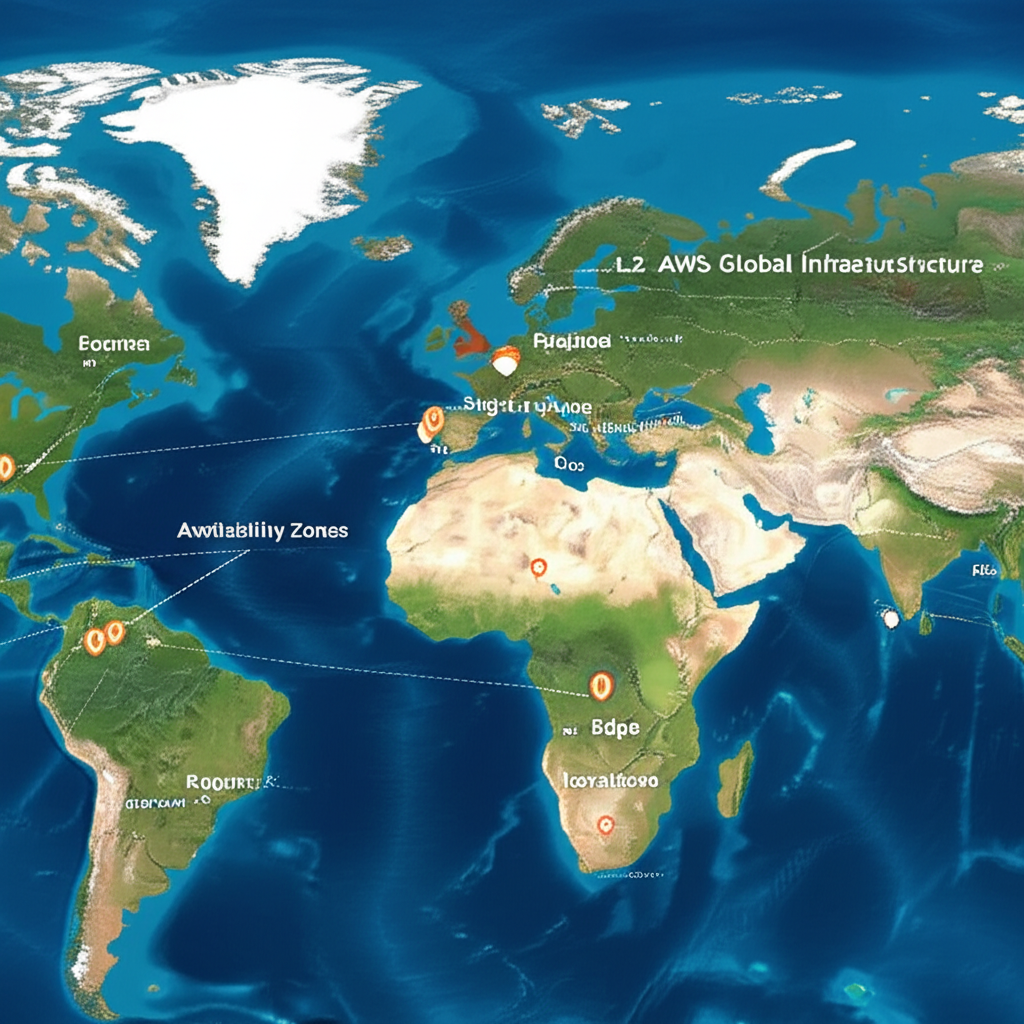
1.2. AWS Global Infrastructure Explained: Regions, Availability Zones, and Edge Locations
Author1
Nov 30, 2025
AWS
1.3. Understanding the Shared Responsibility Model and Why Your Security Still Matters
Author1
Nov 30, 2025
AWS
1.4. EC2 for Beginners: Launching Your First Virtual Server (Step-by-Step Tutorial)
Author1
Nov 30, 2025
AWS
2.1. Automation 101: Deploying Your Infrastructure with AWS CloudFormation (Template Deep Dive)
Author1
Nov 26, 2025
AWS
3.7. The Well-Architected Framework: Reviewing Your Application Against the 5 Pillars
Author1
Nov 26, 2025
AWS
3.6. Building a Simple Data Lake: From S3 to Glue and Athena for Serverless Querying
Author1
Nov 26, 2025
AWS
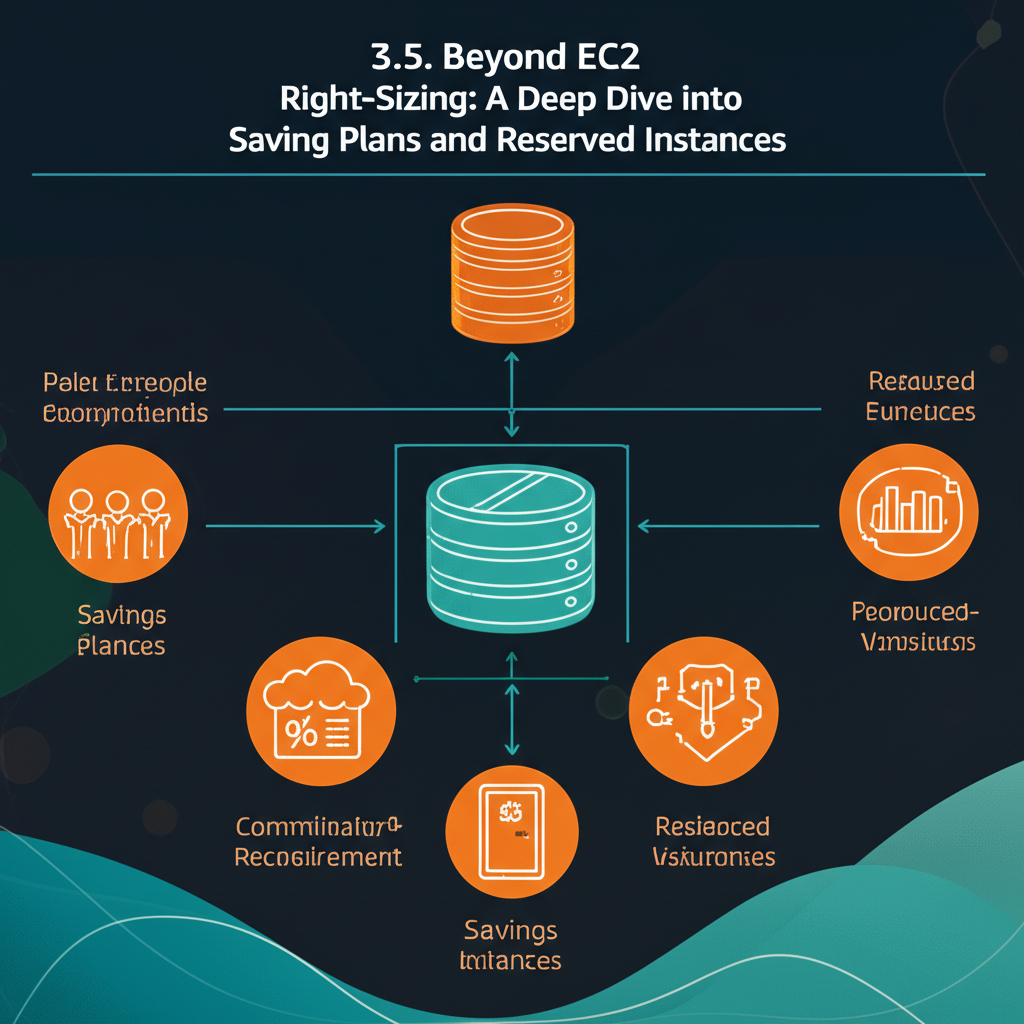
3.5. Beyond EC2 Right-Sizing: A Deep Dive into Saving Plans and Reserved Instances
Author1
Nov 26, 2025
AWS
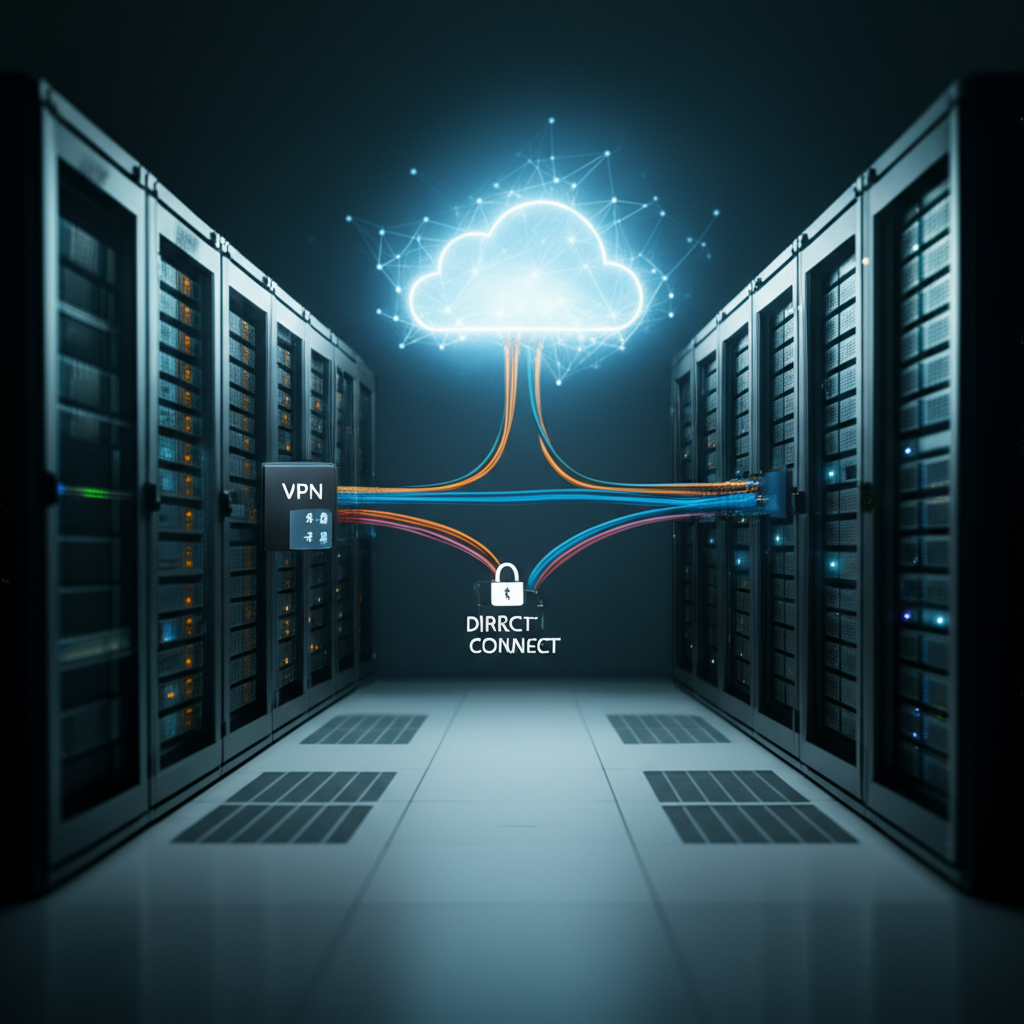
3.4. Connecting Your Data Center to AWS: A Guide to Direct Connect and VPN
Author1
Nov 26, 2025
AWS
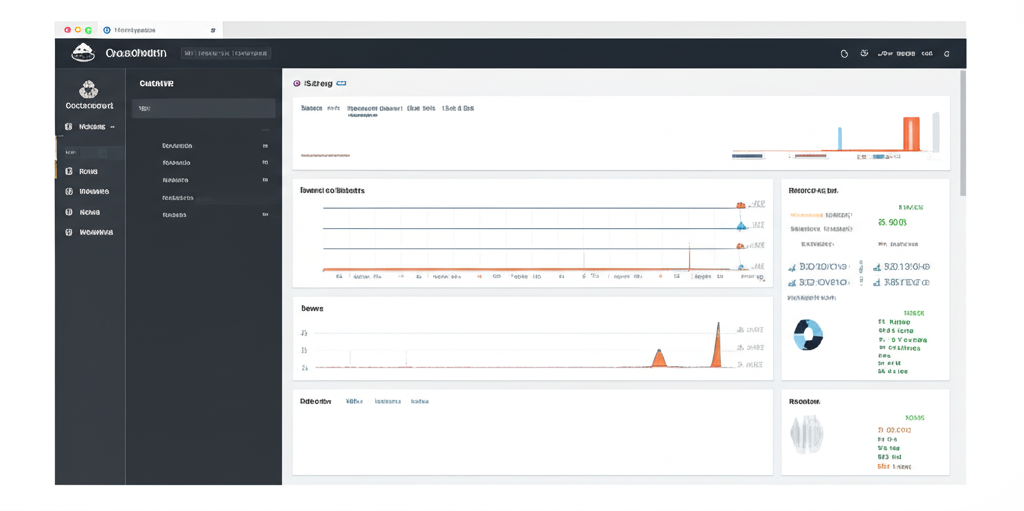
3.3. Full-Stack Monitoring: Creating a Unified Dashboard with CloudWatch, X-Ray, and Prometheus
Author1
Nov 26, 2025
AWS
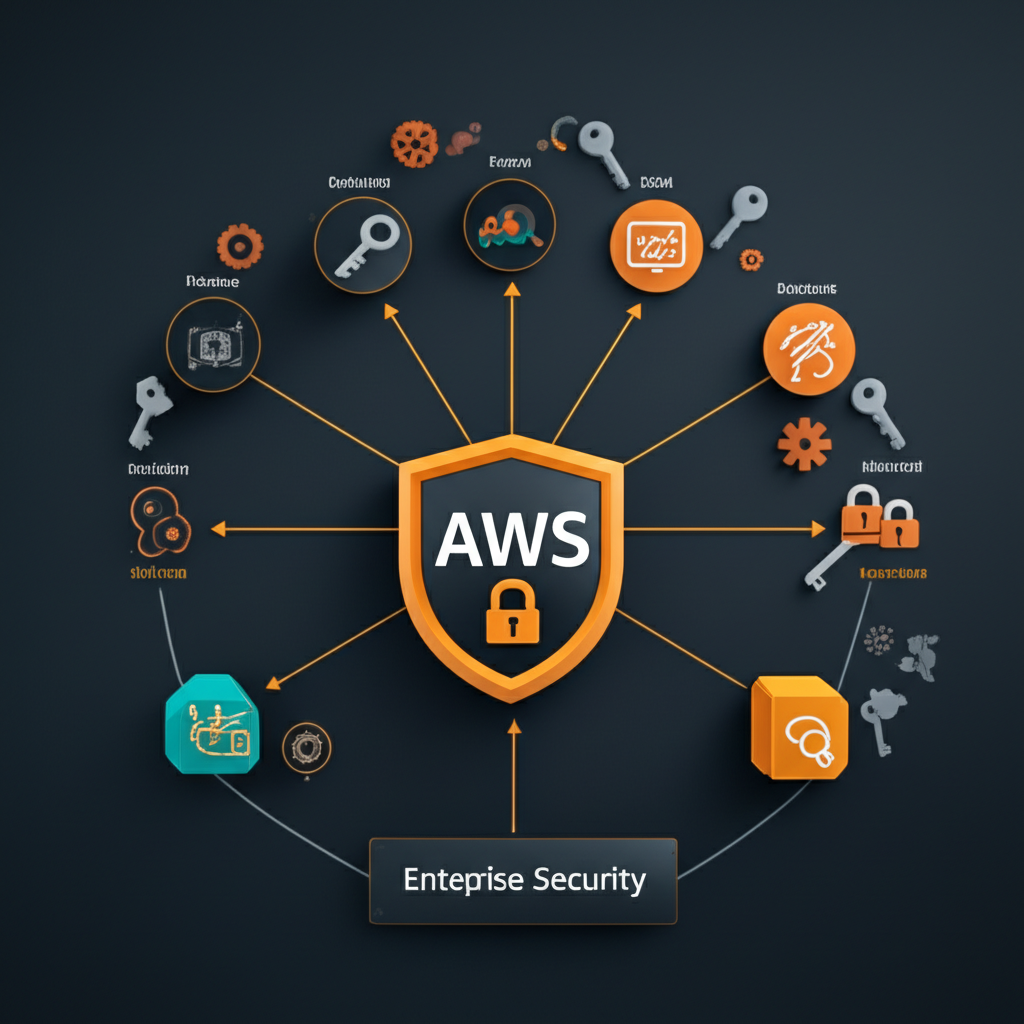
3.2. Advanced IAM: Condition Keys and Service Control Policies (SCPs) for Enterprise Security
Author1
Nov 26, 2025
AWS
3.1. Implementing GitOps on AWS: Deploying to EKS using CodePipeline and ArgoCD
Author1
Nov 26, 2025
AWS
2.7. Introduction to Containerization on AWS: ECS vs. EKS vs. Fargate
Author1
Nov 26, 2025
AWS
2.6. The Power of Decoupling: Using SQS and SNS to Make Applications Resilient
Author1
Nov 26, 2025
AWS
2.5. Getting Started with AWS Lambda: Building a Simple Serverless API Endpoint
Author1
Nov 26, 2025
AWS
2.4. RDS vs. DynamoDB: Choosing the Right Database for Your Application
Author1
Nov 26, 2025
AWS
2.3. Designing for High Availability: Combining ELB and Auto Scaling Groups (ASG)
Author1
Nov 26, 2025
AWS
2.2. Mastering DNS in the Cloud: A Deep Dive into Route 53 Record Types
Author1
Nov 26, 2025
Scroll to Top