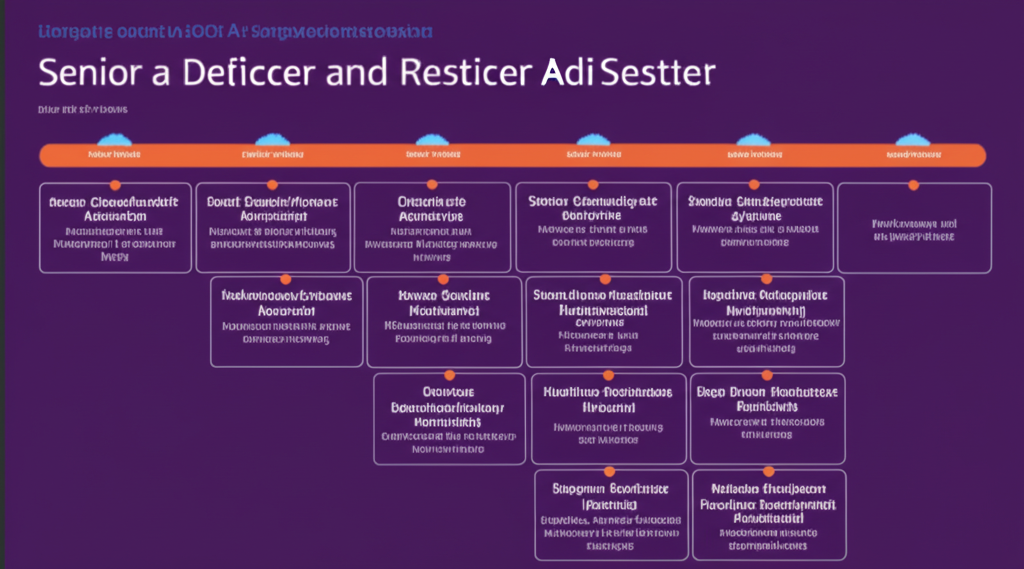
The 2025 AWS Developer Roadmap: From Junior to Senior Solutions Architect
So, you’re a developer interested in the exciting world of AWS and maybe even dreaming of becoming a Senior Solutions Architect? That’s a fantastic goal! The cloud is the future, and AWS is a leader in this space. But how do you get there? This roadmap outlines a possible path from a junior developer to a senior solutions architect by 2025.
Important Note: This is just a guide. Your journey might look a little different, and that’s okay! The key is continuous learning and gaining practical experience.
Level 1: Junior Developer (Now – 2023)
At this stage, you’re likely new to the world of professional development and maybe just starting to explore the cloud.
Focus Areas:
- Programming Fundamentals: Solidify your understanding of programming languages (like Python, Java, or Node.js), data structures, and algorithms.
- Basic AWS Concepts: Get familiar with core AWS services like:
- EC2 (Virtual Machines): Understand how to launch and manage virtual servers.
- S3 (Storage): Learn about storing and retrieving data in the cloud.
- IAM (Security): Grasp the basics of users, groups, and permissions.
- VPC (Networking): Understand the fundamentals of virtual private clouds.
- Introduction to DevOps: Learn about basic CI/CD (Continuous Integration/Continuous Delivery) pipelines, maybe using tools like AWS CodePipeline or Jenkins.
- Containerization Basics: Get an introductory understanding of Docker and container orchestration (like ECS or EKS).
- Basic Scripting: Learn scripting languages like Bash or Python for automating simple tasks.
How to Learn:
- AWS Documentation: The official AWS docs are your best friend.
- Online Courses: Platforms like Coursera, Udemy, and A Cloud Guru offer excellent AWS courses for beginners.
- Hands-on Labs: AWS provides free tiers and hands-on labs. Use them! Experiment and break things (in a safe environment, of course!).
- Personal Projects: Build small applications and deploy them on AWS.
Level 2: Intermediate Developer (2023 – 2024)
You now have some experience under your belt and are comfortable with the basics of AWS.
Focus Areas:
- Deep Dive into AWS Services: Expand your knowledge in areas that align with your interests and your team’s needs. This could include:
- Serverless Computing (Lambda, API Gateway): Build event-driven applications without managing servers.
- Databases (RDS, DynamoDB): Understand different database options on AWS and when to use them.
- Messaging (SQS, SNS): Learn about building asynchronous and decoupled systems.
- Monitoring and Logging (CloudWatch): Understand how to monitor the health and performance of your applications.
- Infrastructure as Code (IaC): Start using tools like AWS CloudFormation or Terraform to provision and manage infrastructure programmatically.
- Advanced CI/CD: Implement more sophisticated CI/CD pipelines with automated testing and deployment strategies.
- Security Best Practices: Deepen your understanding of AWS security principles and how to secure your applications and infrastructure.
- Troubleshooting and Debugging: Become proficient in identifying and resolving issues in AWS environments.
How to Learn:
- AWS Certifications: Consider pursuing the AWS Certified Developer – Associate certification to validate your skills.
- Real-world Projects: Work on more complex projects that involve multiple AWS services.
- Mentorship: Seek guidance from senior developers or solutions architects.
- Community Engagement: Participate in online forums, attend AWS meetups, and learn from others.
Level 3: Senior Developer / Junior Solutions Architect (Mid-2024 – 2025)
You’re now taking on more responsibility, leading projects, and starting to think more broadly about system architecture.
Focus Areas:
- Architectural Patterns: Learn about different architectural styles like microservices, event-driven architecture, and serverless architecture.
- Solution Design: Start participating in the design of new systems and features, considering factors like scalability, reliability, cost-effectiveness, and security.
- AWS Well-Architected Framework: Understand the five pillars of the Well-Architected Framework (Operational Excellence, Security, Reliability, Performance Efficiency, Cost Optimization) and how to apply them in your designs.
- Communication and Collaboration: Effectively communicate technical concepts to both technical and non-technical stakeholders.
- Problem Solving: Tackle complex technical challenges and provide innovative solutions.
- Cost Management: Understand AWS pricing models and how to optimize costs.
How to Learn:
- AWS Certified Solutions Architect – Associate: This certification is a significant step towards becoming a Solutions Architect.
- Design Discussions: Actively participate in architectural discussions within your team.
- Shadowing Solutions Architects: Work closely with experienced Solutions Architects to learn their approach.
- Presenting Technical Solutions: Practice explaining your designs and solutions to others.
Level 4: Senior Solutions Architect (Late 2025 onwards)
You are now a trusted advisor on AWS, capable of designing and implementing complex, scalable, and secure cloud solutions.
Focus Areas:
- Deep Expertise in Multiple AWS Services: Possess in-depth knowledge across a wide range of AWS services.
- Business Acumen: Understand how technology aligns with business goals and can provide strategic value.
- Leadership and Mentorship: Guide and mentor junior team members.
- Innovation: Stay up-to-date with the latest AWS services and trends and identify opportunities for innovation.
- Specialization (Optional): You might choose to specialize in a particular domain like security, data analytics, or machine learning on AWS.
How to Keep Learning:
- AWS Certified Solutions Architect – Professional: This advanced certification demonstrates a deep level of technical expertise.
- Continuous Learning: The cloud landscape is constantly evolving, so continuous learning through blogs, whitepapers, conferences, and hands-on experimentation is crucial.
- Sharing Knowledge: Contribute to the community through blog posts, open-source projects, or speaking engagements.
Key Takeaways:
- Be Proactive: Don’t wait for opportunities to come to you. Seek out learning experiences and challenges.
- Be Hands-on: Theory is important, but practical experience is invaluable.
- Be Curious: Continuously explore new AWS services and features.
- Be Collaborative: Learn from others and share your knowledge.
The journey from a junior developer to a senior solutions architect on AWS is challenging but incredibly rewarding. By focusing on continuous learning, gaining practical experience, and developing your problem-solving and communication skills, you can achieve your goals and become a valuable asset in the cloud era. Good luck on your journey!